


Send Message
Privacy statement: Your privacy is very important to Us. Our company promises not to disclose your personal information to any external company with out your explicit permission.

FARIZON MOTOR TECHNOLOGY CO.,LTD
The entire ship power system consists of five parts: alcohol hydrogen generator set, energy storage lithium battery, DC bus networking system, high-power electric propulsion host, and intelligent control platform. Each unit operates independently and works together to form a complete closed-loop power supply network.
1. GS13M alcohol hydrogen generator set (energy source)
Match 2-7 280kW GS13M methanol internal combustion engine generator sets according to the tonnage of the vessel, using liquid methanol as fuel for combustion and power generation, with no particulate matter emissions, meeting IMO Tier III emission standards for ships. As a continuous and stable basic power source, the crew is responsible for providing basic power for the steady-state cruising conditions of the ship, filling the gap in battery discharge for a long time. Small boats weighing 1000-3000t are equipped with 2-3 units, while large vessels weighing over 8000t are equipped with up to 7 parallel generators to ensure heavy-duty power reserves.
2. Large capacity energy storage lithium battery (peak shaving buffer unit)
The battery capacity is configured with 200-4000kWh energy storage packs according to the tonnage gradient, which undertake two major functions: instantaneous high-power compensation and idle low load energy storage. Instantly release electrical energy during ship start-up, acceleration, and heavy load on top of waves to reduce fluctuations in unit load; During low-speed cruising and low load periods of berthing and unloading, the surplus electricity of the alcohol hydrogen unit is stored in the battery to achieve energy recovery and reduce frequent start-up and shutdown losses of the unit.
3.750DC/380AC integrated power networking busbar (energy distribution center)
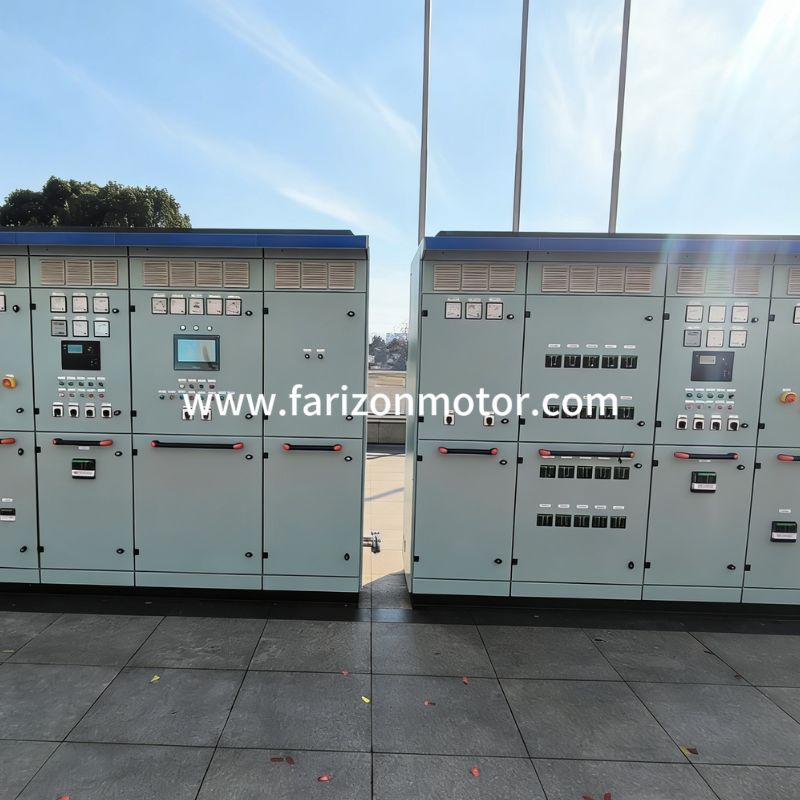
The entire system adopts a 750V DC bus networking architecture, and all generators, energy storage batteries, and electric propulsion motors are connected in parallel to the common DC bus. The bidirectional conversion between DC and AC is completed through a power converter. Compared with traditional ship branch power supply, the integrated busbar can freely adjust the power of each unit, achieving seamless switching of multi-source power, and is the core hub of the entire solution.
4. High power electric propulsion system (power output terminal)
The electric propulsion power is matched in stages from 350kW to 1100kW. Small ships are equipped with dual 350kW propulsion motors, and heavy-duty ships of 10000 tons are equipped with dual 1100kW high-power electric thrusters. Electric energy is distributed to the electric propulsion system through the busbar, and the motor directly drives the propeller, with high starting torque, low operating noise, and much better handling response than traditional Diesel Engine direct drive ships.
5. Intelligent Energy Management EMS Control Platform
As the "brain" of the entire network, it collects real-time data on unit power generation, battery SOC, and ship propulsion load, automatically adjusts the number of unit starts and stops, battery charging and discharging power, and achieves unmanned intelligent scheduling of the entire system.
1. Steady state cruise mode (independently powered by the crew)
The ship cruises at a constant speed in gentle waters, with a stable and moderate load. The EMS system starts the corresponding number of alcohol hydrogen generator sets, relying solely on the power generation of the units to supply electric propulsion and auxiliary equipment on board, while the battery maintains a balance of power without charging or discharging. This mode of unit operates at a stable and economical speed for a long time, with the lowest methanol consumption, and is suitable for long-distance inland and offshore cross regional navigation.
2. Heavy load power mode (combined discharge of unit and battery)
The acceleration of ship departure, headwinds and waves, and heavy load climbing conditions have significantly increased the instantaneous power demand of electric propulsion, and relying solely on alcohol hydrogen units cannot meet peak loads. The system automatically controls the energy storage battery to release electrical energy synchronously, and combines with the unit's power on the DC bus to instantly fill the high-power gap. No need to start the generator set separately, avoiding overloading and high-temperature operation of the unit, and extending the service life of the whole machine.
3. Low speed/berthing energy storage mode (unit power generation and energy storage)
When ships enter the port, move at low speeds, and load and unload goods at the dock, the propulsion load decreases significantly, and the output power of the alcohol hydrogen unit is greater than the consumption of the ship. Excess electricity is automatically stored in the energy storage battery pack to complete energy replenishment; After berthing and shutdown, all alcohol and hydrogen units can be shut down, and the ship's lighting, air conditioning, and auxiliary equipment can be powered by batteries throughout the day, achieving zero emissions and zero noise docking in the port area.
The FARIZON power networking solution is standardized in four levels: 1000~3000t, 3000~5000t, 5000~8000t, and>8000t. All tonnages share the same 750DC/380AC networking architecture, with only adjustments made to the number of units, batteries, and electric thrusters. For small 1000 ton inland ships, 2-3 280kW alcohol hydrogen units, 200-516kWh batteries, and dual 350kW electric thrusters are required to meet short distance inland transportation needs; Medium sized 5000t cargo ship: 3-4 units, 500-700kWh energy storage, dual 450kW electric propulsion, balancing endurance and heavy load; Ten thousand ton offshore vessels: 6-7 alcohol hydrogen generator sets, 1000-4000kWh large capacity batteries, dual 950-1100kW high-power electric thrusters, capable of handling ocean storms and long-term full load navigation. The standardized networking architecture facilitates modular installation in shipyards, and additional batteries can be added as needed to expand the battery life in the later stage, without the need to modify the entire busbar power supply system.
1. Stable load and lower unit losses
Battery peak shaving and valley filling balance load, alcohol hydrogen units always operate within the economic range, avoiding frequent high and low load switching, and the overhaul cycle is extended by more than 40% compared to pure generator units;
2. Green navigation throughout the entire period
Cruising relies on low emission methanol power generation, and zero carbon batteries are used for power supply in port areas to meet the traffic restrictions of inland green waterways and coastal environmentally friendly port areas;
3. No shortcomings in battery life
Different from pure electric ships, which have a range of only a few hundred kilometers, methanol fuel injection is convenient, and with energy storage batteries, cross regional nearshore navigation is not limited by mileage;
4. Lower operation and maintenance costs
Multi unit parallel design allows for normal power supply to other equipment during maintenance of a single unit, eliminating the need for the vessel to be grounded and significantly reducing losses due to downtime.
The core working logic of FARIZON's alcohol hydrogen power ship power network is to use a DC integrated bus as the hub, with alcohol hydrogen units as the basic power source and energy storage batteries as power buffers. Through an intelligent EMS system, it automatically switches between three operating modes: joint power generation, joint discharge, and energy storage docking, and is suitable for 1000 to 15000 ton inland and offshore ships. The entire solution takes into account the three core requirements of long endurance, zero port emissions, and low operation and maintenance losses, providing a mature and practical green ship power supply solution for shipping enterprises.
Email to this supplier
Privacy statement: Your privacy is very important to Us. Our company promises not to disclose your personal information to any external company with out your explicit permission.
Fill in more information so that we can get in touch with you faster
Privacy statement: Your privacy is very important to Us. Our company promises not to disclose your personal information to any external company with out your explicit permission.